
Mental health challenges are a heavy burden, particularly for young men, where suicide remains the leading cause of death. One leading nonprofit sought to address this issue through a powerful awareness and fundraising campaign—challenging participants to carry a 10kg weighted vest for 50km, symbolising the burden of mental health struggles.
For the 2024 campaign, the stakes were higher than ever. With a goal to raise $600,000—and significantly more than the previous year coming from digital—the organisation also aimed to engage more fundraisers and boost the average donation amount, which had previously been an average of $70.
Despite an optimistic start, early performance lagged. Paid search wasn’t converting, TikTok’s costs were high, and Meta’s campaigns required a rebuild just a week in. By September, the pressure was on to turn things around.
HHere’s how we adapted and optimised the campaign mid-flight, making critical adjustments to turn performance around. These changes resulted in over $552,666 raised and 1,521 fundraisers activated, creating meaningful change for young men’s mental health.
The Result
We achieved:
- 1,521 activated fundraisers
- $552,666 raised ($329,042.56 from paid media vs $96,393.81 the previous year)
- ~10:1 ratio of media spend to amount raised
Step 1: Build the Foundations (July)
A strong foundation was essential for the 2024 campaign, setting the stage for success by working closely with the nonprofit’s team to align the creative direction, tracking infrastructure, and media strategy with the campaign objectives.
Preliminary Campaign Strategy
Before diving into execution, we collaborated closely with the client’s team to address key challenges from the previous year.
- Research and Analysis:
- Reviewed data from the 2023 campaign to identify key insights, opportunities and learnings.
- Conducted audience analysis to understand behavior, motivations, and engagement patterns, with a focus on fitness enthusiasts, mental health advocates, and community groups.
- Workshop Collaboration:
- We conducted a workshop with the client’s team to brainstorm ideas and strategies tailored to overcoming low fundraiser activation rates and improving donations from 2023.
- Explored new creative approaches, community incentives, and targeting strategies to improve campaign performance.
This collaborative session ensured that both teams were aligned on goals and equipped with actionable insights to tackle obstacles head-on.
Creative Themes and Concepts
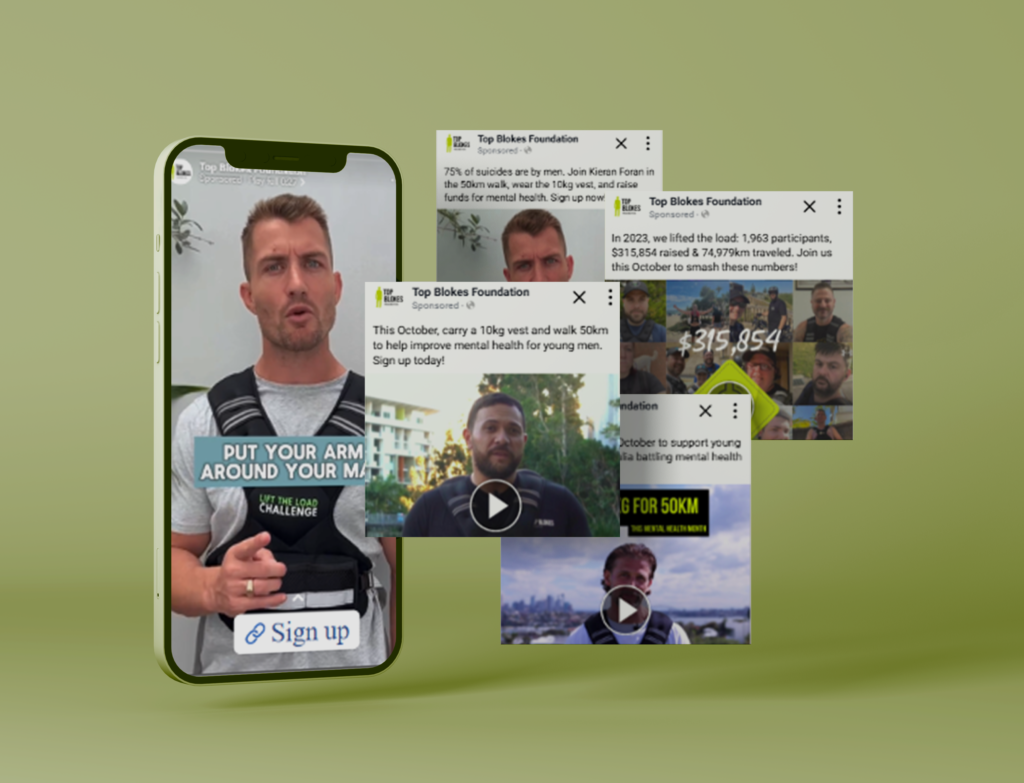
The creative strategy was grounded in five key themes:
- Ambassadors: Leveraging relatable figures, such as sports personalities, to share personal stories and encourage participation. These ambassadors served as the human connection between the cause and the audience.
- Reward and Incentive: Highlighting tangible motivators like matched giving days to encourage fundraisers to go the extra mile.
- Real Stories and Impact: Showcasing stories of young men who had benefitted from the nonprofit’s programs, creating an emotional connection and reinforcing the value of fundraising efforts.
- Community and Fundraising: Emphasising the camaraderie of team participation, where groups could band together to support mental health while achieving shared goals.
- Lift the Load: The campaign’s core concept of carrying a 10kg vest for 50km as a symbol of mental health challenges was woven through all messaging, providing a powerful visual anchor for the campaign.
Tracking and Analytics Setup
Precision tracking was at the heart of the campaign, ensuring clear insights into performance across platforms:
- UTM Mapping: Every campaign element was tagged with custom UTM codes, allowing for granular tracking of traffic sources, ad creatives, and conversion paths through to the CRM.
- Cross-Platform Integration: Conversion tracking was thoroughly audited and configured across GA4, Meta, TikTok and Google Ads to capture every critical action—from sign-ups to donations.
Media Planning
We developed a multi-channel media plan to balance broad awareness and targeted conversions:
- Channel Selection: Meta and TikTok were chosen for engaging creative, relevant audience targeting and high reach, while PMAX worked across both demand generation and demand capture, with Google Search Ads targeting users actively searching for related causes or activities.
- Initial Strategic Approach:
- Prospecting: Leveraged interest-based and lookalike audiences to build awareness, drive initial engagement and grow retargeting audiences.
- Retargeting: Focused on bringing back engaged users to complete the multi-step sign-up process or convert into donors.
- Creative Variety: Designed diverse ads tailored to different themes and audiences to test and optimise performance.
By the end of July, we had a campaign built on compelling storytelling, precise tracking, and a carefully crafted media strategy, all ready to go live in August.
Step 2: Campaign Launch and Initial Challenges (August)
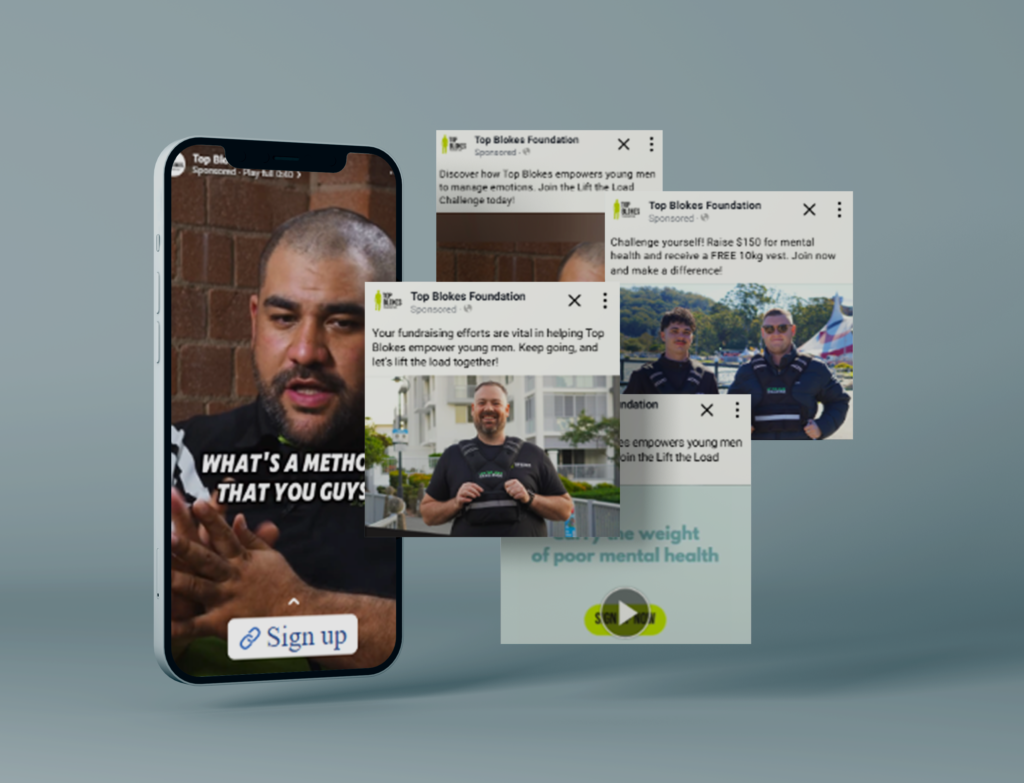
The 2024 challenge officially launched on August 1st, with a carefully planned strategy designed to drive sign-ups and raise awareness. However, early performance highlighted the need for quick adjustments to turn things around and improve results.
Launch Strategy
The initial focus was on building momentum through a mix of prospecting and retargeting campaigns, leveraging the creative themes established in Step 1 and tailored to different audience segments.
- Platform-Specific Approaches:
- Meta: Targeted interest-based audiences (based on data from the previous year’s campaign), lookalikes, and warm audiences using a mix of video and static creatives introducing the challenge, with ambassador ads going live shortly after.
- TikTok: Short, dynamic video ads featuring relatable messaging to extend reach, capture younger audiences and drive sign-ups.
- PMAX: Focused on in-market and affinity audiences with fitness, health, and charity interests to maximise reach across Google’s properties.
- Paid Search: Targeted brand and related generic keywords to attract users actively seeking fundraising or fitness challenges.
- Ad Objectives:
- Prospecting Campaigns: Aimed to drive awareness, interest and engagement while growing retargeting lists.
- Sign-Up Goal: The primary conversion goal was for users to complete the multi-step sign-up process, which included an initial donation amount.
Early Challenges
By the second week of August, campaign performance was falling short of expectations:
- Learning Phase Reset:
- Meta campaigns required a rebuild one week after launch due to a tracking configuration issue. This reset the learning phase, delaying potential performance.
- Underperforming Channels:
- Paid Search: Generic keywords underperformed, failing to convert effectively. This channel was quickly paused to reallocate budget elsewhere.
- TikTok: While generating conversions, its CPA was significantly higher than other channels, making it less cost-effective for scaling sign ups.
- Meta’s Initial Structure:
- Ad sets segmented by interest groups and lookalikes in combination with the prospecting and retargeting approach were not performing efficiently. Costs were high, and segmentation seemed to limit the platform’s ability to optimise effectively.
Step 3: Pivoting the Strategy (September 9th)
Recognising these issues, we implemented critical adjustments to improve campaign performance, guided by the following hypotheses:
- Broad Targeting and Algorithm Optimisation:
- Hypothesis: Consolidating ad sets into a single broad audience with all the ads in the one ad set, would reduce competition within segments and allow Meta’s algorithm to dynamically optimise for conversions at lower costs while the creative would act as the targeting.
- Action: We combined all interest-based and lookalike ad sets into one broad-targeting campaign on Meta. We maintained a retargeting campaign on this occasion, but it’s questionable whether this was needed, despite generating sign ups.
- Simplifying the Performance Goal:
- Hypothesis: Shifting the performance goal from full sign-up completion (with donation) to the first step of the multi-step form would increase relevant ad clicks and get more for less. This would equate to a higher volume of people starting the sign-up form. With the multi-step sign up form not being too long, we bet on the fact that most people – after starting it – would follow through and complete the process (sunk cost fallacy of human psychology). So even though a higher drop-off would be expected from ad click to sign up, the net effect would be significantly higher sign ups for a lower cost and ultimately a larger pool of fundraisers. The other part of the hypothesis behind this change was that a single campaign with a performance goal of sign up (vs an awareness campaign), would still create awareness, but create awareness with a higher value, much more interested audience, rather than mass awareness with everyone.
- Action: Meta’s objectives were adjusted to prioritise step-one sign-ups rather than full form completions and awareness.
- Channel Budget Reallocation:
- Hypothesis: Redirecting budgets from underperforming channels like TikTok and paid search to Meta and PMAX would optimise spend on higher-performing platforms with greater reach and lower sign up CPAs, meaning we get more for the media spend, without any negative halo effects that might be provided from TikTok and Paid Search.
- Action: Paid search and TikTok were paused entirely, and budget was reallocated to Meta and PMAX.
By early September, these changes were showing clear signs of improvement, increasing sign-ups and setting the stage for the significant turnaround to come in the coming weeks.
Step 4: Driving Donations During the Event (October)
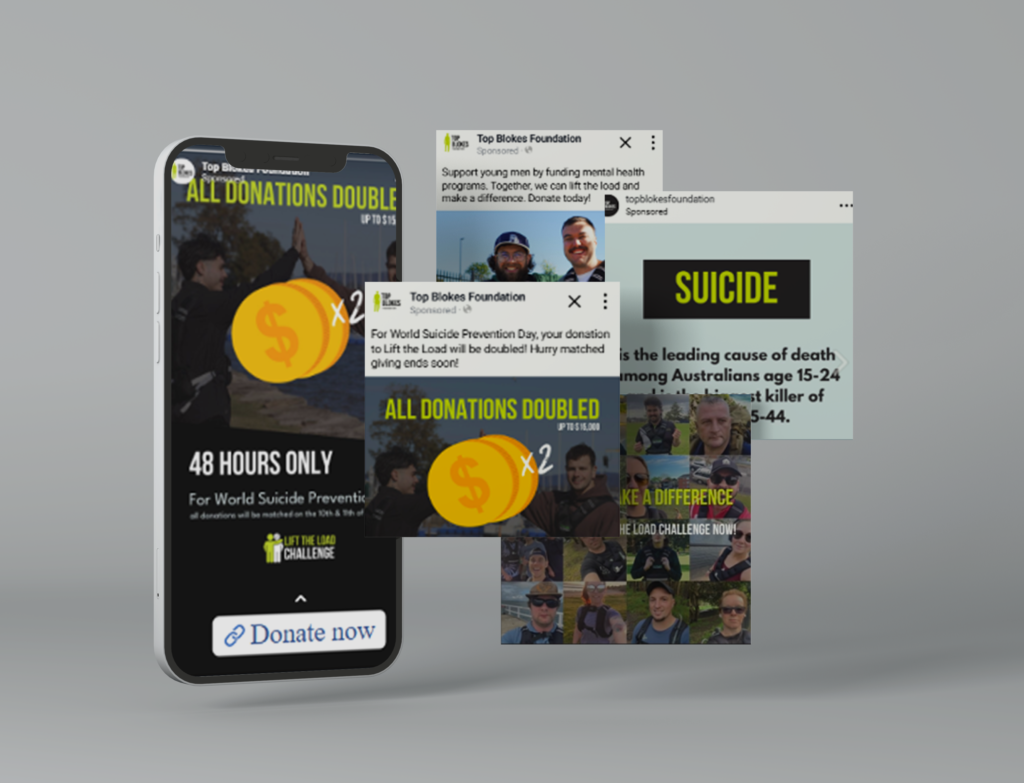
With the challenge officially underway, the campaign’s focus shifted from sign-ups to driving donations. The goal was to activate the newly registered fundraisers and inspire both participants and their networks to contribute. This phase leveraged urgency, incentives, and emotional storytelling to maximise impact, with donate being the primary goal and CTA.
Transitioning Objectives
From Sign-Ups to Donations: Starting October 1st, campaign messaging shifted to focus on donation appeals. Fundraisers were encouraged to hit or exceed their $150 fundraising goal before the event ended.
Key Campaign Tactics
- Compelling Creative Refreshes:
- Ambassadors in Action: Ambassadors led by example, sharing updates about their own experiences, fundraising and walking journeys.
- Regular Updates: The website displayed progress trackers fundraising milestones and success stories, reinforcing the campaign’s collective impact.
- Matched Giving Days:
- A matched giving incentive doubled every donation during these days, creating a sense of urgency and boosting contributions. This initiative achieved a strong return on ad spend, proving to be one of the campaign’s most successful tactics.
- Emotional and Symbolic Messaging:
- Emphasised the “weight of mental health” by featuring participants walking with the 10kg vest, connecting this physical act with the emotional burden of mental health struggles. This approach resonated deeply, leading to increased engagement and donations.
Optimising Campaign Performance
- Budget Prioritisation:
- Budgets were continually monitored and reallocated to the most effective campaigns. Meta remained the dominant platform, driving the majority of donations at the lowest cost per action.
- Dynamic Retargeting:
- Retargeting campaigns focused on individuals who had interacted with ads or signed up but had not yet donated. These ads were aimed at nudging participants toward action.
- Engaging Fundraisers’ Networks:
- Ads and email updates encouraged participants to share their personal fundraising pages with friends and family, further extending reach and driving additional contributions.
Key Takeaways from the Campaign
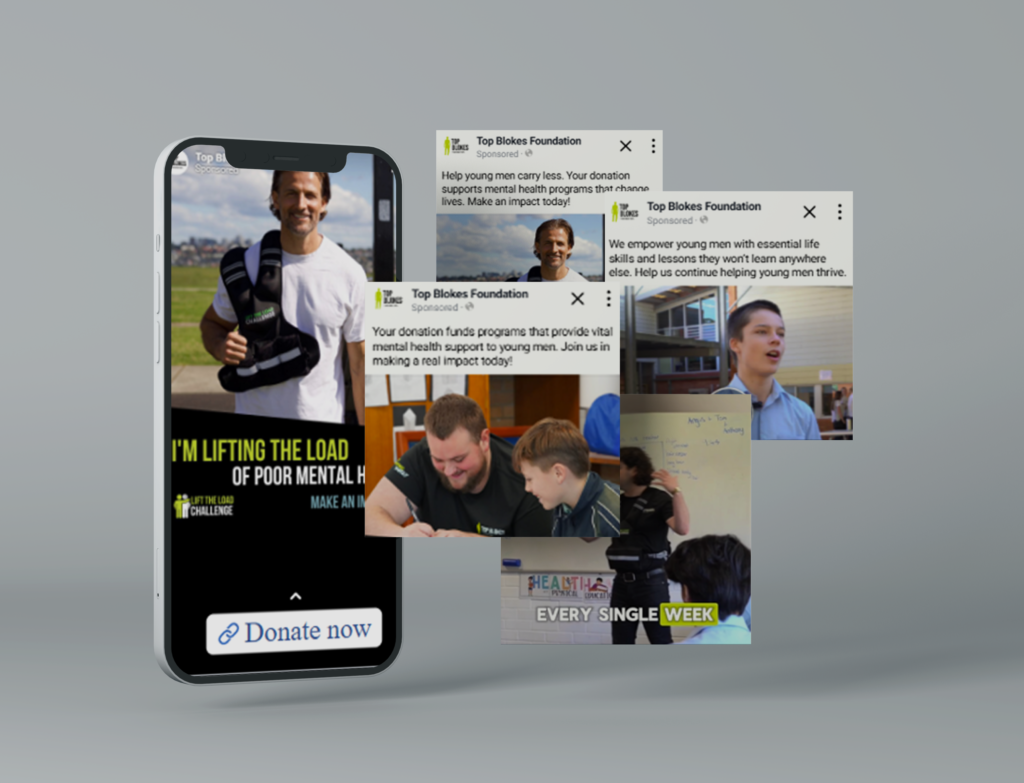
The campaign offered valuable insights into what drives a successful, large-scale fundraising campaign. Here are the overarching lessons learned across all phases of the campaign:
1. Build a Strong Foundation
- Creative Direction is Crucial: Aligning the campaign’s messaging with powerful themes like ambassadors, rewards, community, and symbolic elements (e.g., the 10kg vest) created an emotional connection that resonated with participants and donors.
- Precision in Tracking: Detailed UTM mapping and conversion tracking ensured every action was trackable, enabling informed decision-making throughout the campaign.
- Balanced Media Planning: A multi-channel approach allowed for both broad awareness, multi-touch engagement and targeted conversions.
2. Be Agile in Response to Challenges
- Adapt Quickly: When early campaign performance faltered, swift actions—such as pausing underperforming channels, reallocating budgets and even making changes to performance goals and structure—were critical to turn things around.
- Broad Targeting Unlocks Scale: Consolidating multiple, targeted ad sets into a broad audience allowed algorithms in conjunction with creative, to optimise dynamically, reducing costs and driving higher-quality traffic.
- Simplify Objectives: Lowering the barrier to entry (in terms of the algorithm showing ads and sending clicks to the site) by optimising for step-one sign-ups instead of full completions, in addition to removing the broad awareness performance goal significantly increased sign-up volume without any detrimental effects on participation and donation—in fact leading to strong YoY increases in performance.
3. Leverage Emotional Storytelling
- Ambassadors Drive Connection: Relatable ambassadors humanised the campaign and inspired action through personal stories and visible participation.
- Symbolism Matters: The 10kg vest as a metaphor for the weight of mental health challenges was a unifying and impactful creative element while providing an additional incentive to sign up (the weighted vest)
- Community: Emphasising camaraderie motivated collective fundraising efforts.
4. Use Incentives to Maximise Donations
- Matched Giving Works: Limited-time incentives like matched giving days created urgency and delivered high returns.
- Progress Tracking Motivates Action: Regular updates, milestone achievements and ranking tables helped to gamify the experience and encouraged fundraisers to stay active and strive for their goals.
5. Focus on the Right Channels
- Optimise Media Spend: By pausing TikTok and paid search early and doubling down on Meta and PMAX, the campaign achieved better conversion rates, CPAs and higher ROI in conjunction with the other changes
- Creative Drives Performance: High-performing ads, especially videos featuring ambassadors, consistently delivered strong results.
Conclusion
The 2024 challenge campaign was a testament to the power of strategic adaptation, emotional storytelling, and a relentless focus on results. Despite early setbacks, bold mid-campaign changes, such as simplifying performance goals, broadening targeting, and reallocating budgets, led to an incredible turnaround.
With over $552,666 raised and 1,521 fundraisers activated, the campaign not only exceeded the prior year’s results but also strengthened the Foundation’s mission of supporting young men’s mental health. By focusing on themes of community, impact, and symbolic action, the campaign resonated deeply with fundraisers and donors alike.
The success of this campaign underscores the importance of flexibility, precision tracking, and leveraging emotional connections to inspire action. For our client, the challenge was more than just a fundraising effort—it was a powerful statement of solidarity with young men carrying the burden of mental health challenges.
As we look ahead, the lessons learned here will serve as a blueprint for future campaigns, ensuring continued growth and even greater impact for this vital cause.
—
Are you ready to create a campaign that not only drives results but also makes a real difference?
Whether it’s planning your next campaign, optimising performance mid-flight, crafting emotionally resonant storytelling, or leveraging data to guide every decision, we’re here to help you achieve your goals.
Let’s work together to make your next campaign a success. Contact us today to learn how we can help lift the load for your organisation and those you serve.